
Conversion in progress ...
Please wait while we generate your PDF
Unlocking Maximum Value From Your Home Sale

Understanding the Market
Every seller wants to know one thing: what is my home actually worth right now? The answer changes block by block in this part of Broward County, which is exactly why national real estate advice only gets you so far.
Start with the fundamentals: median sale prices, days on market, and active inventory in your specific neighborhood. Coral Woods and Coral Terrace, for example, tend to move differently than listings closer to Wilton Drive or east toward the Intracoastal. Pricing a home based on citywide Fort Lauderdale averages instead of your actual micro-market is one of the most common ways sellers leave money on the table.
From there, look closely at recent comparable sales, not just the list price, but what homes actually closed for and how long they sat. A home that sold in 8 days tells you something very different than one that sat for 90 and took three price cuts to move.
It's also worth paying attention to what's happening around you. New development, school rezoning, or a shift in buyer demand toward walkable areas like Wilton Manors can all move pricing faster than people expect. I track these shifts across my farm areas year-round, not just when I have a listing active, so when it's time to price your home, we're working from real, current data instead of a guess.
This is also where working with someone local pays off. A comparative market analysis from an agent who actually knows Coral Woods versus one pulling generic Fort Lauderdale zip code data can be the difference between pricing your home right the first time and chasing the market down with repeated cuts.

High-Impact Upgrades
You don't need a new kitchen to sell for top dollar. You need to know which upgrades actually return money in this specific market, and which ones just eat your timeline and your budget.
Nationally, a new steel entry door averages close to a 190% return, and that holds true here too. But in South Florida, a few upgrades matter more than they do elsewhere:
- Exterior paint and pressure washing matter more here than almost anywhere else, since humidity and mildew show fast on stucco and buyers notice it immediately from the curb.
- AC age and service records carry real weight with Florida buyers. A newer unit or a documented service history can be a deciding factor, especially for buyers relocating from up north who are already nervous about cooling costs.
- Roof condition and age matters even more here because of insurance. A roof over a certain age can make a home harder to insure or push premiums up significantly, and savvy buyers are asking about this upfront now more than ever.
- Impact windows or accordion shutters, where present, are a real selling point and worth highlighting clearly in your listing, since they directly affect a buyer's insurance quote.
Beyond that, the smaller, lower-cost updates still do real work: updated light fixtures, modern cabinet hardware, fresh neutral paint, and clean landscaping. Well-kept flowerbeds and a tidy lawn tell a buyer the home has been cared for, and in this climate, that assumption matters more than it might elsewhere.
Before spending on anything, I walk every listing myself and tell my sellers plainly what will move the needle and what won't. Over-improving beyond what the neighborhood supports is just as costly as under-preparing a home for sale.
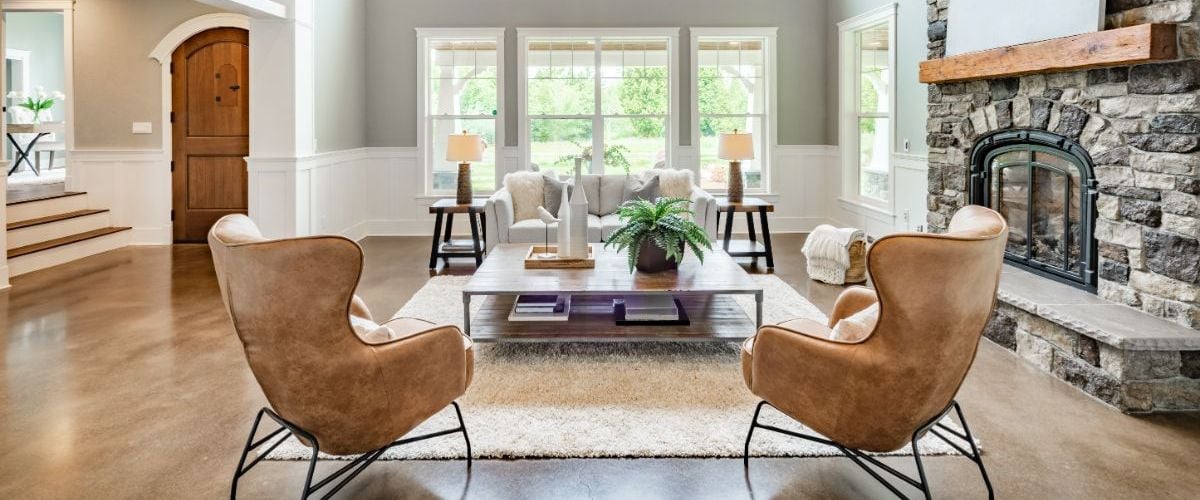
The Power of Home Staging
Staged homes consistently sell faster and for more than unstaged ones, and that holds true across my farm areas. Buyers need to picture themselves living in the space, and clutter or heavy personalization makes that harder.
The formula that works: declutter first, then depersonalize, then keep the palette neutral. Clear out excess furniture and anything crowding a room's footprint. Pack away family photos and anything highly personal. And if your walls are painted in bold or dated colors, a neutral repaint before listing photos go up is almost always worth the cost.
In South Florida specifically, light matters. Homes that photograph bright and open, with window treatments pulled back and natural light maximized, consistently outperform darker, heavily curtained listings in a market where buyers are drawn to that indoor-outdoor, sun-filled feel.
If staging your own furniture isn't realistic, I work with stagers I trust who know how to present homes in this market specifically, not a generic showroom look, but the kind of coastal, relaxed aesthetic that actually resonates with buyers looking in Wilton Manors and Oakland Park.
Why Work with Parks Morgan?
Pricing, upgrades, and staging get a home ready. But what actually determines your final number is how the listing is positioned, marketed, and negotiated from the moment it goes live. That's where I come in.
I'm Parks Morgan, and before real estate, I spent years negotiating major contracts with Fortune 500 executives. That background shapes how I handle every listing. I don't just list a home and wait. I price it using real, current data from your specific neighborhood, market it directly to the buyers most likely to want it, and negotiate every offer with the same discipline I used to bring to seven-figure business deals.
I hold Hall of Fame status, placing me in the top 1% of RE/MAX agents nationally, and my focus has always stayed hyperlocal: Fort Lauderdale, Wilton Manors, and Oakland Park, with deep, block-by-block knowledge. That local depth means I know what your home is actually worth, what buyers in this exact area are looking for, and how to position your listing to attract multiple serious offers instead of one lowball.
If you're thinking about selling, the first step is a real conversation about your home's value and what a smart path to market looks like. No pressure, no scripted pitch. Just an honest look at your numbers.

Negotiation Strategies For Maximum Profit
Most buyers open with a number below asking, expecting a counter. That's not a red flag, it's just how negotiation works, and it's an opportunity to reinforce your home's value rather than react emotionally.
Before you're in a negotiation, know your bottom line and hold it. I walk every seller through recent, truly comparable sales so that when we counter, we're backing it up with real numbers, not just a feeling that the home is worth more.
Incentives can also protect your price without cutting it. Covering a portion of the buyer's closing costs, including select appliances, or offering a home warranty are all ways to keep a deal moving without discounting your number. In this market, where buyers are increasingly cost-conscious about insurance and HOA fees, a seller-paid home warranty or a credit toward the buyer's first year of insurance can carry real weight in getting to yes.
Throughout the process, staying in close communication with your agent matters more than most sellers expect. Offers move fast, buyer agents test flexibility, and having someone experienced reading the situation in real time, not just relaying numbers back and forth, is what protects your bottom line.

Saving on Closing Costs
Closing costs in Broward County carry a few local norms worth understanding before you get an offer.
In most of South Florida, it's customary for the seller to pay for the owner's title insurance policy, which is one of the larger seller-side costs at closing. It's negotiable, but going against local custom can make your offer look less attractive to buyers and their agents, so this is usually not the place to try to save money.
Where you do have room to negotiate: who pays for specific inspections, home warranty costs, and any buyer-requested repairs or credits. Addressing small maintenance items (a leaky faucet, a loose railing, a cracked tile) before listing reduces the odds of a buyer coming back with a long repair request after inspection.
In a market where buyers are budgeting carefully for HOA fees and rising insurance premiums, offering a modest credit toward closing costs can sometimes net you a stronger overall offer than holding firm on price alone. It's a trade worth discussing deal by deal, not applying as a blanket rule.
Timing your closing near the end of the month can also reduce prepaid interest costs for your buyer, which occasionally becomes a small point of leverage in negotiations. And if you're working with a lender-affiliated title company or one your agent has a strong relationship with, ask about any available discounts on title or settlement fees.
Some costs, like transfer taxes and recording fees, are fixed and non-negotiable. But between title insurance customs, repair credits, and closing timing, there's usually more room to protect your proceeds than sellers assume.
Conclusion
Getting maximum value from your home sale in this market comes down to a few things done well: pricing based on real, hyperlocal data, making the upgrades that actually matter to buyers here, presenting the home so buyers can picture themselves living in it, and negotiating every offer with discipline.
I've built my business around exactly this, helping sellers across Northeast Fort Lauderdale, Wilton Manors, and Oakland Park walk away from closing with more in their pocket than they expected.
If you're ready to talk about what your home could sell for, reach out. Let's put a real plan together.