The South Florida condo loan rules changed on August 3, 2026. Fannie Mae retired its Limited Review process and Freddie Mac retired its Streamlined Review process. For many conventional purchases in buildings with more than 10 units, the lender now has to do a full review of the condo association, not just the buyer.
That does not mean older condos are suddenly unfinanceable. It does mean the building's finances matter more than they used to, and buyers, sellers, and owners in Fort Lauderdale, Wilton Manors, and Oakland Park should know what lenders are going to look at.
I've been a Florida licensed REALTOR since 2003, and I want my clients to understand this one before it costs them a deal.
What Changed With Fannie Mae and Freddie Mac Condo Loans on August 3?
Fannie Mae announced the change in Lender Letter LL-2026-03 on March 18, 2026. Established condo projects that used to qualify for Limited Review must now go through the Full Review process, or qualify for a Waiver of Project Review. Freddie Mac made a matching move by retiring Streamlined Review. For established projects, its remaining options are Established Condominium Project Review, Reciprocal Review, and Exempt From Review.
Lenders were allowed to start early, but the change applies to every loan application dated on or after August 3, 2026.
Your credit, income, and down payment requirements did not change. What changed is how much homework the lender has to do on the building.
Small buildings get some relief. Fannie Mae expanded its Waiver of Project Review to cover new and established projects with 10 or fewer units. For projects with five to ten units, the building cannot be part of a master association or larger development. That is why the change is aimed at buildings with more than 10 units.
What Does a Full Review Look At?
A Full Review puts the association's finances under a microscope. Lenders look at the budget, reserve funding, insurance coverage, pending litigation, special assessments, deferred maintenance, and the overall financial health of the building.
Fannie Mae's Full Review rules set a few hard lines. No more than 15% of the units can be 60 days or more past due on common expense assessments. The budget has to set aside at least 10% for replacement reserves. The building's insurance has to meet Fannie Mae's requirements.
Here is where deals can get stuck. The lender needs records from the association, and the association is not the lender's client. National Mortgage Professional reports that if an association cannot or will not produce the required documents, the loan can be delayed or fall apart.
What Happens on January 4, 2027?
The second step is coming in early January. Fannie Mae is raising the minimum replacement reserve from 10% to 15% of annual budgeted assessment income for Full Review applications starting January 4, 2027. The baseline funding method for reserve studies is also going away, so budgets will need to reflect the highest recommended funding level in the study.
Florida buildings have more exposure to this than most. National Mortgage Professional reported data from AD Mortgage showing that more than 750 Florida condo loans since 2021 used Limited Review, which was 53% of that lender's conventional condo production in the state. Roughly 30% of them involved reserves below the new January threshold.
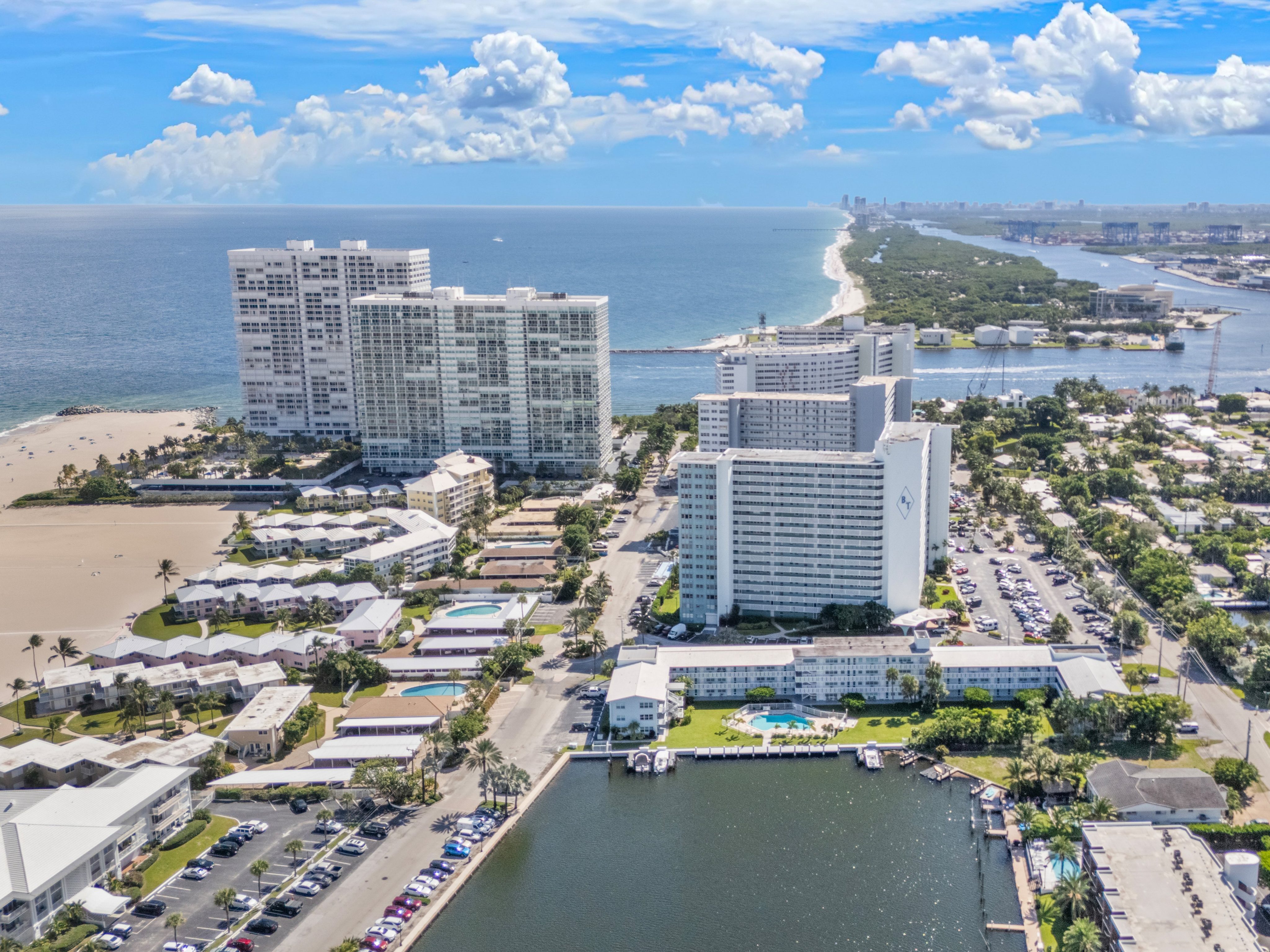
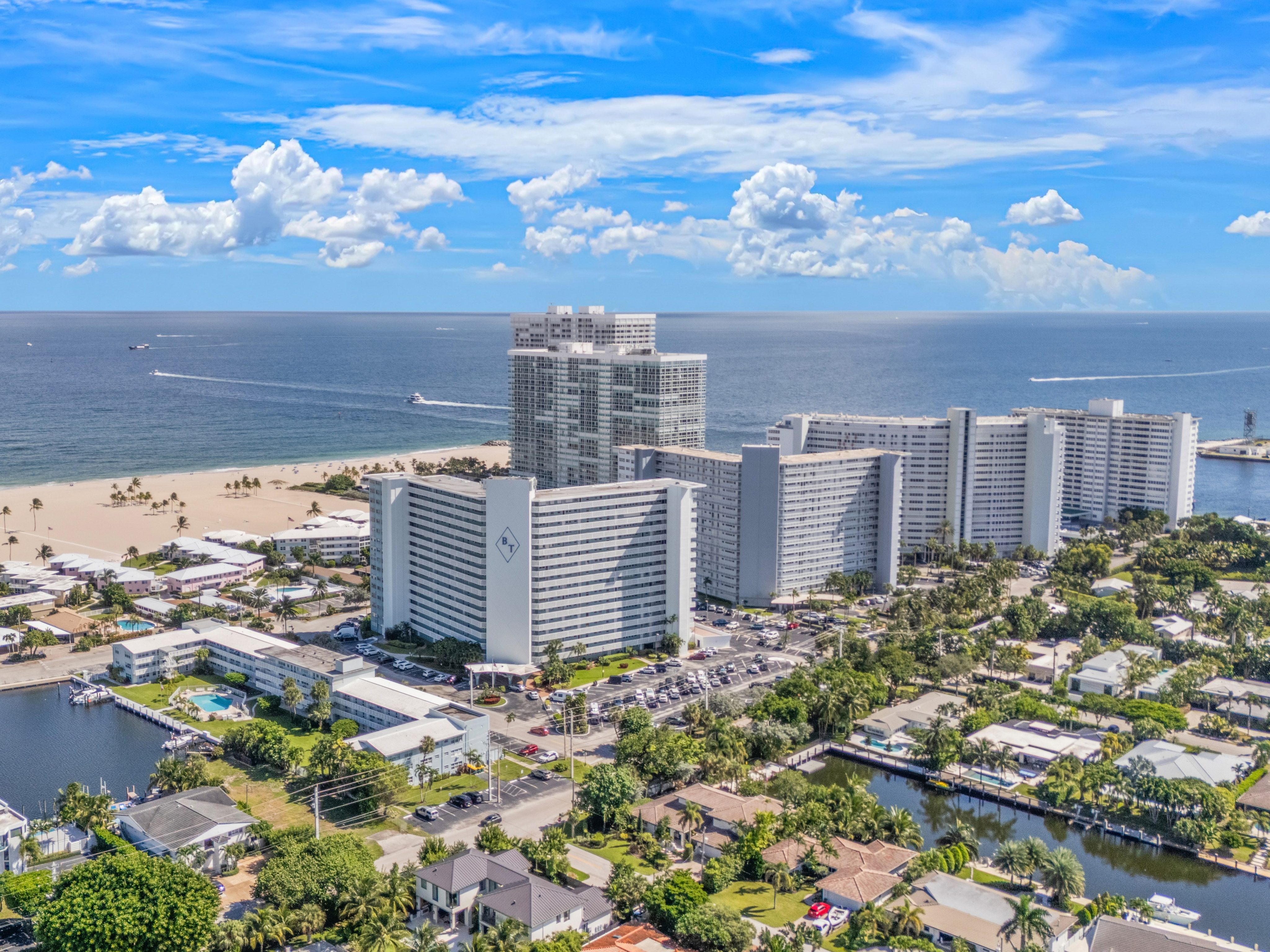
Condo buildings in the Harbor Beach neighborhood, Fort Lauderdale, Florida
Why Do the Condo Loan Rules Matter More in South Florida?
Because we have a lot of condos, and a lot of them are older. Here is what the active inventory looks like right now:
There are 29,305 active condo listings in South Florida. Only 8,821 of them, about 30%, were built after 2005. That means roughly 70% of the condos for sale are in older buildings, and older buildings are where reserve and maintenance questions tend to come up.
The price gap is wide. The average sales price for condos built before 2005 is $424,478, up about 8% from $391,944 in 2021. The average for condos built after 2005 is $1,317,838, up about 61% from roughly $816,000 in 2021. Luxury towers pull that second average up, so it says less about the typical building than the first number does.
Florida law adds another layer. Under the state's milestone inspection law, a condo building that is three habitable stories or taller needs a structural inspection by December 31 of the year it turns 30, counted from its certificate of occupancy, and every 10 years after that. Local officials can move the first inspection up to 25 years. Associations also have to complete a Structural Integrity Reserve Study. The deadline was December 31, 2025, or as late as December 31, 2026 for buildings that are doing it alongside a required milestone inspection. And associations can no longer waive the required reserves for budgets adopted on or after December 31, 2024. A lender reviewing a Florida building will now be reading those documents.
Here is where the local market stands. Broward County condo and townhome sales fell 9.3% year over year in August, according to MIAMI REALTORS. The median sale price for Broward condos and townhomes was $257,500, up 4% from a year ago, and active inventory dropped 15% to 9,427, according to Echo Fine Properties' August update. Gay Cororaton, Chief Economist for MIAMI REALTORS and RWorld, points to another cost pressure: buyers are facing higher condo fees and special assessments to fund building maintenance and structural repairs.
Does This Mean Older Condos Are a Bad Investment?
No. The rule is about the building, not the year on the calendar.
A well-run older building with strong reserves, good insurance, and a board that keeps up with maintenance can pass a Full Review. That building may look better than its neighbors, because buyers and lenders can tell it is in good shape. A building with deferred maintenance, thin reserves, high delinquencies, or active litigation is the one that may have trouble.
When a building does not pass, it becomes non-warrantable. Fannie Mae and Freddie Mac will not buy loans on it, so buyers have to pay cash or find a lender who keeps loans in-house. One Florida mortgage professional puts the typical cost of those loans at a rate 0.50 to 1.50 percentage points higher than a standard loan, with 20% to 25% down.
That affects every owner in the building, not just the buyer. A smaller pool of qualified buyers can slow a sale and pressure the price.
What Should Condo Buyers Do Before Making an Offer?
Ask for the building's documents early. You want the current budget, the most recent reserve study, the master insurance policy, the milestone inspection and Structural Integrity Reserve Study status, the assessment history, and any litigation.
Talk to your lender before you fall in love with a unit. Ask if they have closed loans in that building recently and whether they see any issues with the association.
Build extra time into your contract. A Full Review takes longer than the old process, and the association's response time is out of your hands.
If you are paying cash, do not skip this. You may not need a loan, but your future buyer might, and a building that cannot pass review is harder to resell.
What Should Condo Owners and Sellers Do?
Know your building's numbers. Read the budget and the reserve study. Find out how much of the budget goes to reserves, how many owners are behind on assessments, and whether any lawsuits are pending.
If you are thinking about selling, have your association documents ready before you list. A buyer's lender will ask for them, and a fast answer from the management company can save a deal.
If your building's reserves are below 15% of annual budgeted assessment income, bring it up with your board now, because the new minimum kicks in early in January.
Ready to Talk About Your Condo Plans?
Whether you are buying, selling, or holding a condo in Fort Lauderdale, Wilton Manors, or Oakland Park, I can help you look at the building before you make a move. Reach out and we will go through the documents together.
Start Your Home Search or Get in Touch to talk about your next move in South Florida.
Frequently Asked Questions
What did Fannie Mae and Freddie Mac change for condo loans on August 3, 2026? Fannie Mae retired its Limited Review process and Freddie Mac retired its Streamlined Review process. For many conventional loans in established buildings with more than 10 units, lenders must now complete a full review of the condo association. The change applies to loan applications dated on or after August 3, 2026.
What is a condo Full Review? A Full Review is a lender's detailed check of a condo association's finances and condition. It covers the budget, reserves, insurance, special assessments, litigation, and how many owners are behind on dues.
Can I still get a conventional loan on an older condo in South Florida? Yes, if the building passes the lender's review. Age alone does not disqualify a condo. Reserves, insurance, delinquencies, litigation, and maintenance are what lenders look at.
What happens if a condo building fails review? The building becomes non-warrantable, which means Fannie Mae and Freddie Mac will not purchase loans on units there. Buyers usually have to pay cash or use a lender that keeps its own loans, often with a higher rate and a larger down payment.
When does the 15% condo reserve requirement start? Fannie Mae's higher minimum replacement reserve, 15% of annual budgeted assessment income, applies to Full Review applications beginning January 4, 2027. The current minimum is 10%.
Do cash buyers need to worry about the new condo rules? Cash buyers are not held up by lender reviews, but the building's finances still affect resale. A future buyer who needs a loan will face the same review.
Parks Morgan has been a Florida licensed REALTOR since 2003, serving Fort Lauderdale, Wilton Manors, and Oakland Park with RE/MAX Experience. This article is general information, not legal, tax, or lending advice. Talk with your lender and an attorney about your specific purchase.
Sources
- Fannie Mae Lender Letter LL-2026-03
- Fannie Mae Selling Guide, B4-2.2-02 Full Review Process
- Freddie Mac, Condominium Unit Mortgages and Project Reviews
- MBA Mortgage Team, Condo Review Requirements Are Changing
- National Mortgage Professional, Condo Review Deadline Puts Lenders on the Clock
- Florida Realtors, Condo financing rules to change in 2026
- Florida Statutes, s. 553.899, Mandatory structural inspections for condominium and cooperative buildings
- Florida Statutes, s. 718.112, Bylaws and structural integrity reserve studies
- MIAMI REALTORS, South Florida Housing Market Update, September 17, 2026
- Echo Fine Properties, Broward County Condos and Townhomes Market Update, August 2026
- The Lenders Network, Florida Condo Mortgage Crisis 2026
Check out this article next